
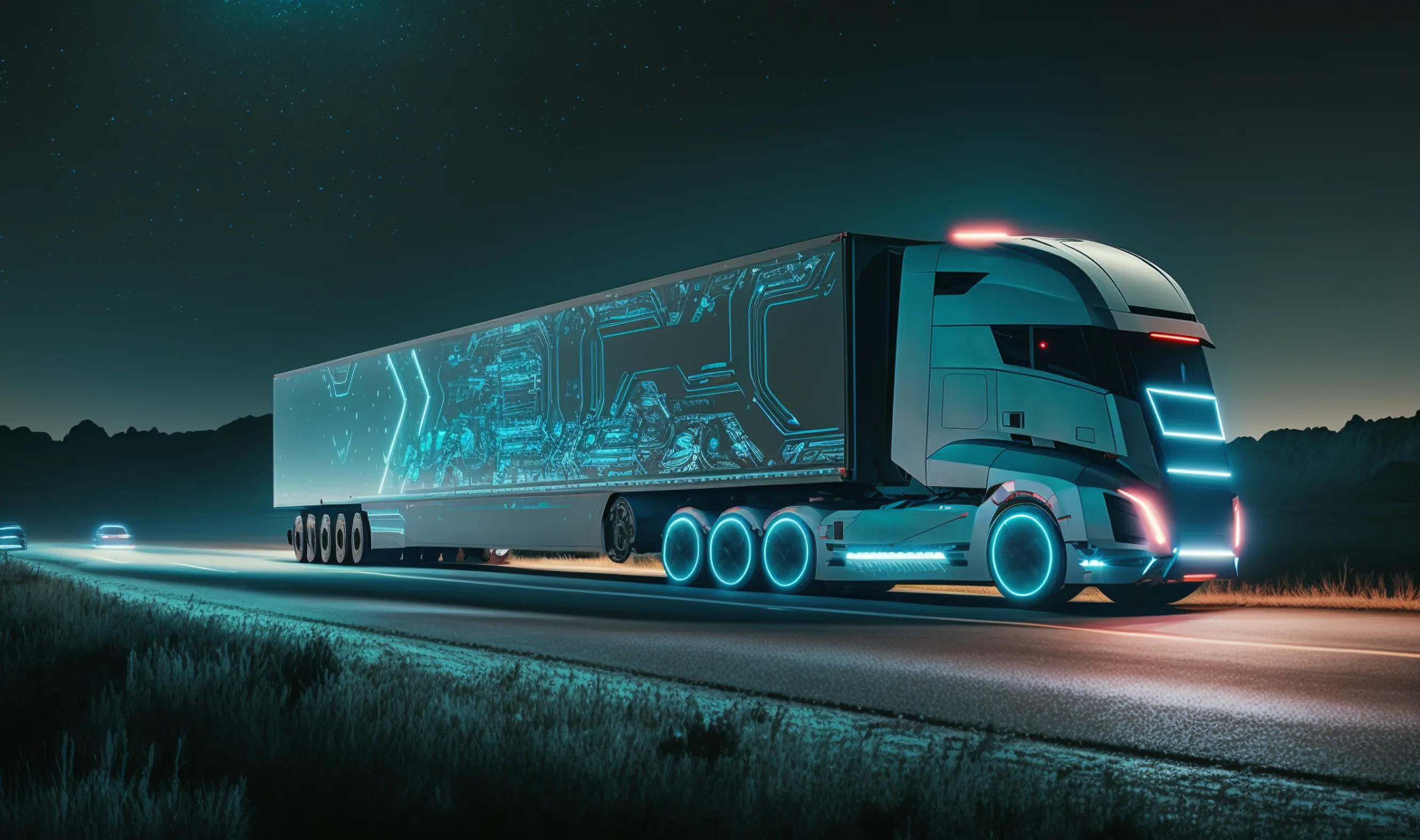
In recent years, one of the most significant developments in the trucking industry has been the rapid advancement and deployment of autonomous trucking technology. It’s a transformative trend sweeping across the sector, promising enhanced efficiencies and new opportunities while at the same time raising serious questions about the future of trucking jobs and road safety.
Technological Evolution on the Fast Lane
At the forefront of this trend are numerous innovative tech companies, some of which are startups, and others are industry heavyweights. Notable players such as Tesla, Waymo, Embark, and TuSimple have been leading the charge, investing heavily in research and development for autonomous technology applied to commercial freight transport.
The goal is to develop and deploy Level 4 autonomous trucks - vehicles capable of performing all driving functions under certain conditions without human intervention. These self-driving trucks use advanced AI systems, LiDAR (Light Detection and Ranging), radar sensors, high-definition cameras, and intricate mapping data to navigate complex road environments.
The Pull Factors: Efficiency and Safety
The push towards autonomous trucking is driven by several factors. Foremost among these is the potential for increased efficiency and cost savings. Autonomous trucks can operate almost continuously, unfettered by the legal restrictions and physical limitations that dictate human drivers' working hours. Consequently, this could significantly decrease delivery times and enhance supply chain efficiency.
Moreover, the American Trucking Associations report that approximately 70% of all freight tonnage moved in the U.S. is done by trucks, emphasizing the sector's vital role in the economy. Implementing autonomous technology could offer a solution to the industry's ongoing driver shortage crisis, which was exacerbated by the COVID-19 pandemic.
Safety is another pivotal element. According to the National Highway Traffic Safety Administration (NHTSA), human error accounts for around 94% of all motor vehicle crashes. Autonomous systems, by eliminating human error, have the potential to significantly decrease these figures.
Challenges on the Road Ahead
However, the road to full autonomy is laden with challenges. Technological limitations still exist. For instance, most current autonomous systems struggle to operate in adverse weather conditions and complex urban environments.
Regulatory hurdles are also significant. As of my knowledge cutoff in September 2021, no national framework exists in the U.S. for testing or deploying autonomous vehicles. Most regulations have been state-based, resulting in a patchwork of laws that could impede widespread adoption. Cybersecurity is another concern. Autonomous vehicles could be susceptible to hacking, presenting serious safety risks.
Finally, there are considerable social implications, particularly regarding employment. There's anxiety about job losses in a sector that, according to the American Trucking Associations, employs over 7.4 million people.
Conclusion
In conclusion, the trend towards autonomous trucking is undeniably revolutionizing the industry. The potential benefits in terms of efficiency, safety, and addressing the driver shortage are significant. However, equally critical are the challenges the industry must confront, including technological hurdles, regulatory issues, and the potential socio-economic impact on the workforce.
As we continue to monitor this evolving landscape, it becomes clear that the successful integration of autonomous trucking will depend not just on technological breakthroughs, but also on thoughtful policy-making and comprehensive stakeholder engagement. A new era is upon us, and the trucking industry, as we know it, is being redefined.

